

IFHP Dental Coverage in Ontario: What Changed for 2026
Does IFHP cover a dentist in Ontario?
Yes. The Interim Federal Health Program covers urgent dental care in Ontario for refugees, refugee claimants, protected persons and some other people who do not have OHIP yet. Your dental office bills Medavie Blue Cross, which pays IFHP claims for the federal government. You do not send in the claim yourself.
The covered category is urgent dental care. That means pain, infection, a broken tooth, a tooth that has to come out. It means the work that stops the problem from getting worse.
Whitening sits outside that. So do veneers and straightening your teeth for appearance. If you ask for cosmetic work under IFHP, the answer is no, and it is better to hear that on the phone than in the chair.
One thing to check before you book anywhere. IFHP only pays providers that are registered with the program, so an office that is not registered cannot bill for you at all. Ask on the phone whether they are registered with IFHP and bill Medavie Blue Cross. It is a fair question and any office should answer it plainly.
What changed on May 1, 2026
From May 1, 2026, a 30 percent co-pay applies to covered IFHP dental services. IFHP no longer pays the whole bill. You pay 30 percent of the covered amount, and IFHP pays the rest.
Here is what that looks like in practice. Say the treatment you need is a covered urgent service. The office prepares an estimate, and on that estimate you see two lines: the part IFHP pays, and your 30 percent share. You see both numbers before anyone picks up an instrument. You get a written quote before you decide anything.
Do not guess at the amount from what a friend paid. Dental fees depend on the tooth, the problem and the treatment. Ask for the written estimate, read the co-pay line, and ask questions about it. That is a normal thing to do and nobody will rush you.
If the 30 percent share is hard to manage, say so before treatment starts. Monthly payment plans can spread it out. We would rather arrange that than leave you in pain.
IFHP and CDCP together: which pays first
IFHP is billed first. CDCP is billed second.
That order matters, and this is where visits go wrong. Many offices now handle Canadian Dental Care Plan claims every day, so CDCP is the form they reach for first out of habit. The claim comes back refused. Then the patient is told to pay cash today, or to come back another day, or that the insurance did not work. None of that was necessary.
If you hold both, say both out loud at the front desk. Say: I have IFHP, and I also have CDCP. Ask for IFHP to be submitted first. A front desk that hears this before treatment starts can submit in the right order the first time.
If you only have CDCP and no IFHP, that is a different situation with different rules. You can read more about how CDCP coverage works on its own page.
What to bring to your first appointment
Four things, and the first two do most of the work. Bring those two and coverage can be confirmed while you are sitting there.
- Your IFHP document. The paper or card that shows you are covered under the Interim Federal Health Program. Bring the original if you have it. A clear photo on your phone is better than nothing.
- Your IFHP member number. It is printed on the document. The office needs it to check your coverage with Medavie Blue Cross.
- Any letter from IRCC. Your claim documents, your protected person paperwork, or anything showing your status and the dates.
- A note about what hurts. Which tooth, how long, whether it wakes you at night, whether the area is swollen. Write it down. Pain is hard to explain in a second language while somebody is looking at you.
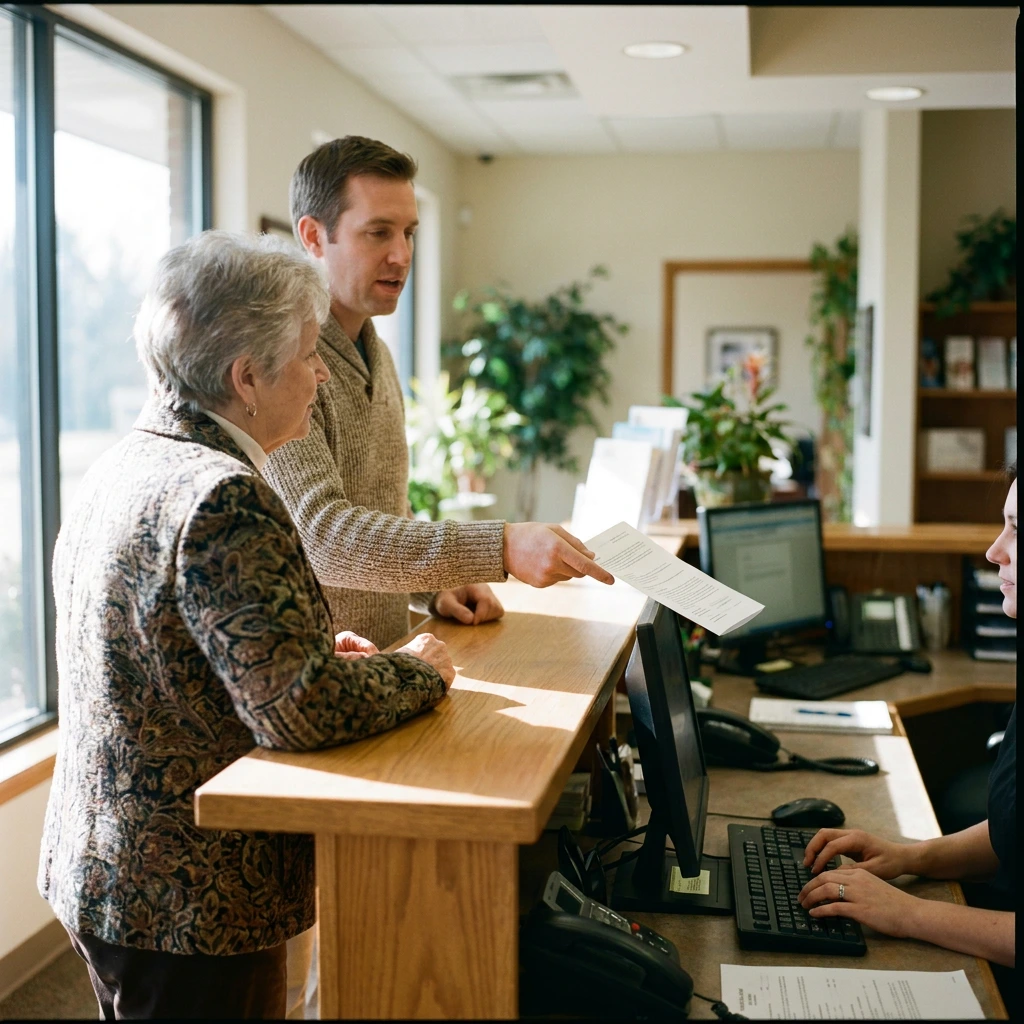
With the document and the member number in hand, the front desk confirms your coverage before treatment starts, not after. If something is missing or expired, you find out then, before any work is done and before any bill exists. More detail on the first visit is on the new patients page.
Who is covered and who is not
IFHP is for people who do not yet have provincial health coverage and who are in one of these groups: resettled refugees, refugee claimants, protected persons, and people held in immigration detention. If you arrived through a government resettlement program, or you have made a refugee claim that is still being decided, you are usually in this group.
What IFHP pays for depends on which group you fall into, so the safest move is to read the dates and the details on your own document rather than going by what someone else was covered for.
Your IFHP coverage has dates on it. It can expire. It usually ends once you become eligible for OHIP, and OHIP takes over for medical care, though OHIP does not cover routine dental for adults.
If your IFHP has expired, or you never had it, say so. There are still paths. CDCP covers many residents with no private dental insurance and a household income under the program's limit. If neither program applies to you, you can still be seen and you still get a written quote first, priced at Ontario Dental Association fee guide rates, so you know the number before you agree to anything.
What counts as urgent dental care
Urgent means the problem is causing pain, infection or damage right now. These are the situations that get treated:
- A tooth that keeps you awake at night.
- Swelling in the gum, the cheek or under the jaw.
- A tooth that broke, cracked or was knocked loose.
- An abscess, meaning a pocket of infection, sometimes with a bad taste or a bump on the gum.
- A filling or crown that fell out and is now sharp against your tongue.
- Bleeding from the gum that will not stop.
- A wisdom tooth that is infected at the back of the mouth.
There is a limit, and you should know it. If the swelling is spreading toward your eye, if one eye is closing, if you cannot swallow properly, or if you are having trouble opening your mouth or breathing, go to a hospital emergency department. That is no longer a dental chair problem. An infection like that gets worse by the hour, and the hospital has what is needed for that stage. Come back to the dentist afterward for the tooth itself.
For the cases in between, the emergency dental page explains what happens at the appointment and how quickly you can usually be seen.
What if English is not your first language?
Bring someone who can translate. Patients in the Concord and Vaughan area do this every day: a daughter, a son, a neighbour, a settlement worker. Nobody will ask them to wait outside. If you want to record the instructions on your phone so you can listen again at home, that is fine too.
On the phone, keep it short. Say these words: I have IFHP, I need urgent dental. That sentence is enough for the front desk to tell you whether your document will work and what to bring. If your English is limited, ask the person helping you to make the call and stay on the line with you.
The Keele and Steeles area sits at the edge of Toronto and Vaughan, so patients come in from Concord, from north Toronto, and from the buildings along Steeles in both directions. Coverage questions come up at the desk constantly. You will not be the first person to ask.
Frequently asked questions
How much is the IFHP 30 percent co-pay?
It is 30 percent of the covered amount for the specific service you need, effective May 1, 2026. There is no single flat number, because the fee depends on the tooth and the treatment. You get a written quote showing the IFHP portion and your 30 percent portion before any treatment starts, so you are never surprised at the end.
What documents do I need for an IFHP dental appointment?
Your IFHP document and your IFHP member number are the two that matter. Bring any IRCC letter about your status as well, plus a short note about what hurts and since when. With the document and member number, coverage can be confirmed at the front desk before you are treated.
I have IFHP and CDCP. Which one is billed first?
IFHP is billed first. CDCP is billed second. Tell the front desk you have both before treatment starts so the claims go out in the correct order. When CDCP is submitted first, it is refused, and that is what leads to patients being asked to pay cash or come back another day.
Does IFHP cover a cleaning or a check-up?
IFHP dental coverage is for urgent care: pain, infection, broken teeth, extractions. Routine cleaning and cosmetic requests sit outside that category. Ask on the phone about your specific situation, because what counts as urgent depends on what is happening in your mouth, not on what you call it.
How to book an IFHP dental appointment
Call or book online. Bring your IFHP document and your member number. Ask for the written quote that shows the IFHP portion and your 30 percent co-pay, and read it before you agree to treatment.
If the exam shows nothing needs work, you will be told exactly that: nothing needs work. No treatment plan gets built to fill a gap in the schedule.
Keele & Steeles Dental Office is at 2100 Steeles Ave W, Suite 203-204, in Concord, bills Medavie Blue Cross directly for IFHP, and welcomes new patients six days a week. Call 905-760-8181 and say you have IFHP and need urgent dental care. That sentence is enough to get started.
Not sure where you stand?We will look, tell you what we see, and put the cost in writing before anything starts. New patients welcome six days a week.Book an Appointment905-760-8181