
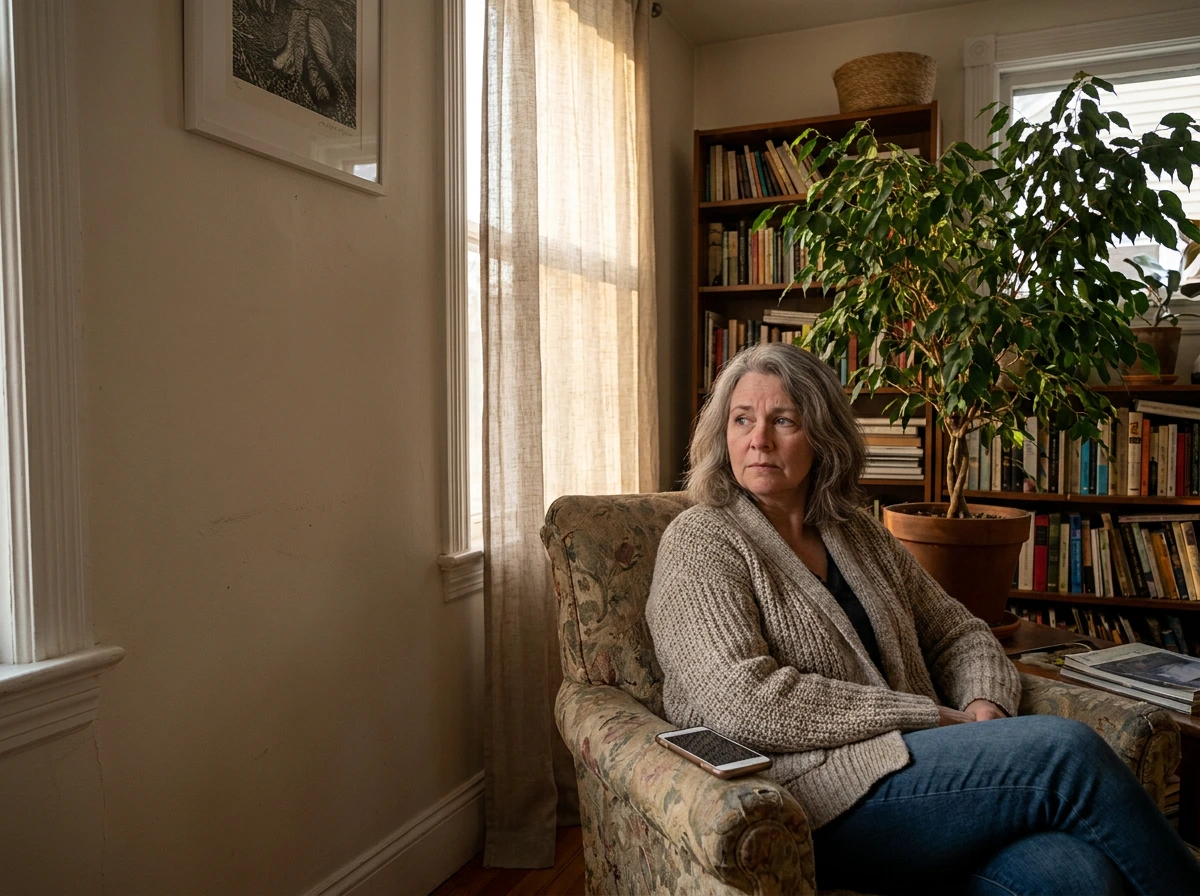
"I Haven't Been to a Dentist in Years." Here's How We Start.
What happens at a first visit after years away
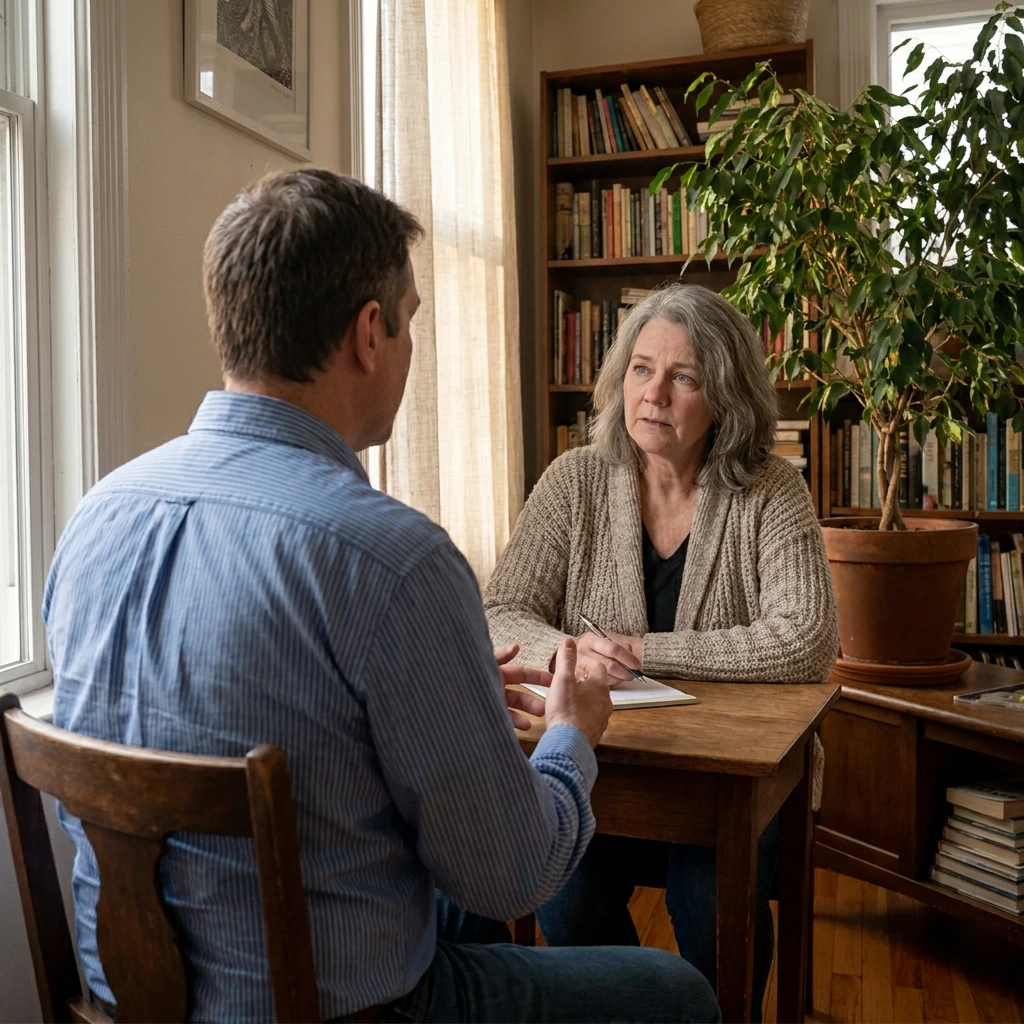
You sit up in a chair, fully dressed, and talk. That is the first ten minutes. No instruments, no lying flat, no one prying your mouth open before you have said a word.
Then the sequence: a set of X-rays and a few intraoral photos, a look around your mouth and gums with a mirror and a probe, and a walk through what came up on the screen. You see the same screen we do. Nothing gets described to you second-hand. That whole sequence is laid out step by step on our new patients page.
The visit ends with a written list of findings, ranked, so you know what is urgent and what can sit. Most first appointments after a long gap run about an hour, and a cleaning usually fits into the same visit. If your gums bleed heavily or there is a lot of hardened tartar, the cleaning may need a second appointment to do properly rather than being rushed.
Nothing gets drilled on day one. A filling, a crown, a root canal: those are separate appointments you book after you have seen the quote and thought about it.
No, you will not be lectured
The fear is almost never the drill. It is sitting in a chair with your mouth open while a stranger tells you off about the last decade of your life.
That does not happen here. We describe what we see, not how it got there. A cavity on the lower left is a cavity on the lower left. We do not need the backstory, and asking for one would waste the hour.
People who have been away ten years are not unusual. Twenty is not unusual either. A job with no benefits, a bad experience with a dentist in the nineties, a parent who got sick, a move across the city, and suddenly it has been a decade and the thought of booking gets heavier every year it waits. If you have been avoiding this because you assume you are the worst case anyone has seen, you are not.
You are allowed to be embarrassed and still show up. The embarrassment does not need to be sorted out before the appointment. It usually sorts itself out during it.
Patients mention it more often than anything else in their reviews:
"Amazing doctor and staff. I've been coming here for as long as I can remember. If you've ever feared going to the dentist, this place certainly changes that experience and makes you feel at ease. Highly recommend."
Paul S, Local Guide, 45 reviews on Google
You can say no to treatment that day
Say no and the appointment still ends well. You get the exam, you get the cleaning, you get the list. The list is yours to take home, sit on, price out, or take to another dentist for a second opinion. Nobody chases you.
Here is what that looks like in practice. Suppose the findings are three small cavities, one cracked filling, and gums that need a deeper cleaning. You could book the deep cleaning and stop there. You could do one cavity this month and the others in the spring. Or none of it, and come back in six months for a check to see whether anything moved.
The honest opposite case matters too. If nothing needs work, we say exactly that: nothing needs work. Come back in six months. There is no minimum treatment plan you have to leave with, and a long gap since your last visit does not automatically mean a long list.
What we usually find after ten years away
Hardened tartar above and below the gumline, gums that bleed when probed, a few cavities, and often one filling or old crown that has cracked or leaked. That is the common picture. Sometimes there is a tooth already past saving, and being told that directly beats a fifth opinion three years later.
Two things people get wrong about this:
- They assume it is one enormous appointment. It almost never is. Deep cleaning is usually step one, often split by side of the mouth, and restorative work gets staged over weeks or months in whatever order makes clinical and financial sense.
- They assume every problem is urgent. Most are not. Early gum inflammation reverses with a proper cleaning and better home care, and a small cavity that is not hurting can wait a few weeks while you sort out coverage.
Some things do not improve with waiting: an abscess, a deep crack, bone loss from gum disease. Bone that has gone does not grow back. That is the real argument for coming in sooner, rather than the state of your enamel.
What it costs and how we quote it
Fees here are priced against the Ontario fee guide, and you get a written quote before you decide anything. That applies to a single filling and to a full staged plan. You will not be handed a number at the front desk that you did not see coming.
If you have insurance, we bill it directly where the plan allows, so you pay your portion instead of fronting the whole amount and waiting for reimbursement. For larger work, we can send a preauthorization to your insurer first, so the coverage is confirmed in writing before anything starts.
No insurance? The Canadian Dental Care Plan covers a meaningful share of routine care for eligible Canadians, including exams, cleanings, X-rays and fillings, with the amount depending on your household income tier. Our page on the Canadian Dental Care Plan walks through the income tiers and how billing works. Check your eligibility before you assume the answer is no. And remember that a quote is a quote, not a booking. You can take it home and never call back.
If you are anxious, say so when you call
Tell the front desk you are nervous. It changes how the hour is run, and it is the most useful sentence you can say on the phone.
Things people ask for, all of which are normal:
- A morning appointment, when the office is quietest and you have not spent all day dreading it.
- A hand signal that means stop. Raise your hand, everything stops, no negotiation.
- Topical numbing gel before the cleaning if your gums are sensitive.
- Your own headphones and music. The sound bothers people more than the sensation does.
- A partner, a friend, or an adult child in the room with you.
- A walk-through appointment first: sit in the chair, look at the room, ask questions, book nothing.
None of this needs a special program or an extra fee. It needs you to mention it before you arrive rather than after.
When you should not wait for a check-up
Some things do not belong in a routine appointment three weeks out. Go to a hospital emergency room the same day if you have facial swelling that is closing an eye, swelling spreading toward your throat or under your jaw, difficulty swallowing or breathing, or a fever alongside a toothache. An infection can move in hours, and swelling near the airway is a hospital problem.
Short of that: a cracked tooth, a lost filling, pain that keeps you awake, a broken denture. Those are an emergency appointment, and most people get in the same week they call.
Common questions
What happens at a first dental visit as an adult?
You talk first, sitting up. Then X-rays and photos, an exam of your teeth and gums, and a review of the findings on screen with you. You leave with a written list of what was found and what it would cost. Most first visits run about an hour and include a cleaning.
Is it bad to not see a dentist for 10 years?
It is common, and it is fixable more often than people expect. The usual findings are tartar buildup, bleeding gums and a few cavities, most of which are repairable in stages. The findings that matter most are the ones that get worse quietly: gum disease causing bone loss, and cracks that reach the nerve.
Can I book a consult without any treatment?
Yes. You can book time to sit down, ask questions and look at the room with nothing done to your teeth. Say that when you call so the appointment gets booked as a consultation.
Will the dentist judge me for the state of my teeth?
No. Findings get described, not handed back to you as a personal failing. Patients who have been away for a decade or two are a routine part of the week.
How to book, or just ask a question first
Two doors, and one of them does not involve an appointment at all.
Call 905-760-8181 and ask a question. What a first visit costs. Whether your insurance is billed directly. Whether you qualify under the Canadian Dental Care Plan. Whether you can bring someone with you. You can hang up without booking, and that is a perfectly normal phone call for us.
Or book a consult: you come in, sit down, talk, and decide afterwards. Keele & Steeles Dental Office has been at this intersection since 2000, and there are three dentists here now. We are at 2100 Steeles Ave W, Suite 203-204, Concord, and we see patients from Vaughan and north Toronto. Open six days a week, Saturdays included.
Not sure where you stand?We will look, tell you what we see, and put the cost in writing before anything starts. New patients welcome six days a week.Book a First Visit905-760-8181